


[ad_1]
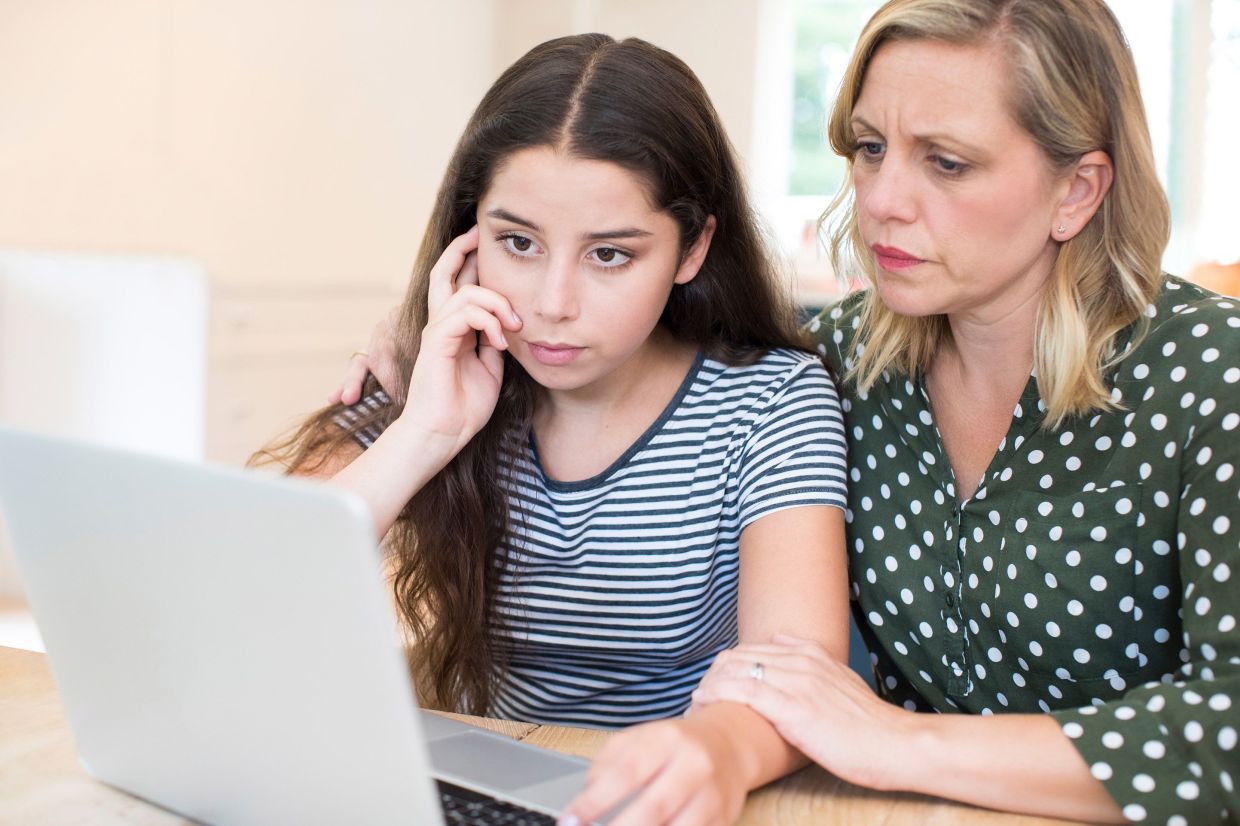
DO SOCIAL networks contribute to perpetuating the myth of the perfect mother? In any case, the stereotypes and ideals seen on social networks contribute to making young mothers feel guilty, with a consequent impact on their mental health.
These are the findings of a survey of 2,000 American mothers commissioned by the Intimina brand from the market research company OnePoll, carried out between July 28 and Aug 1, 2023.In particular, the survey reveals that the average mom who feels like “a bad mother” today, feels this way an average of 156 times a year, or almost half the year. In all, a third of respondents have felt this way sometimes.
Influence of social media
Society’s pressure on mums and the mental load they have to bear on a daily basis have a significant impact on their stress and anxiety levels. But the survey highlights the impact that social platforms can have on their mental health.
Nearly two-thirds of mothers surveyed say they are active on social media, and these mums are more likely to see themselves as bad parents (46%) compared to those who don’t browse social platforms (11%).
At a time when mums are already under pressure from the expectations that surround this role, with no less than 79% of those surveyed believing that society has too many expectations of motherhood, social networks seem to be accentuating the phenomenon here too.Over three-quarters of mothers surveyed (77%) say they feel a certain pressure, particularly in terms of appearance and behaviour, from these platforms.
This feeling is exacerbated by some of the content posted by so-called “mumfluencers,”, or mothers who share anecdotes, advice and other experiences relating to their children.
Quest for perfection
It’s widely accepted that social networks, or at least some of them, convey an ideal of perfection. And while these ideals didn’t necessarily originate on these platforms, they can be fostered by some influencers with their polished content, filters, or staged and edited photos, designed to give their followers something to aspire to.And this can have repercussions on self-esteem, as numerous studies have shown, particularly among the most vulnerable. Mothers are no exception.More than eight in 10 respondents familiar with ‘mumfluencers’ claim to watch their content, and almost two-thirds admit to feeling more insecure after viewing it.
The notorious quest for perfection may have its part to play in these feelings, with over half the mothers surveyed admitting to having already compared themselves to others during the first year of motherhood.This proportion rises to 73% among those who claim to be active on social networks. Among their main concerns are the fear of not being able to meet their offspring’s needs (35%) and of not being a good parent (32%).
While some users don’t hesitate to cultivate the myth of the perfect mother, others have been trying to deconstruct it in recent months by presenting a less polished image of motherhood.The stereotypes conveyed by certain – seemingly – irreproachable ‘mumfluencers’ are now being countered by far more authentic TikTok videos featuring mess, tiredness and other ‘imperfections.’ This is particularly evident with the hashtags #nonaestheticmom, #nonaesthetichouse, #nonaestheticlife and #hotmessmoms, which are designed to make mums feel less guilty. – AFP Relaxnews
[ad_2]
Source link


